
"coffee regions map"
500 article(s) found

Introduction to the Distribution Map of Environmental Base in Yunnan Coffee planting area
When was Yunnan coffee first planted? the environmental base distribution map shows that more than 80% of China's coffee is grown in Yunnan. Yunnan has four or five growing areas, including Ruili and Baoshan. Robasta coffee is also grown on the southern coast of Fujian and Hainan Island near Vietnam. At present, coffee production in Fujian and Hainan is very low, Youensen said. Yunnan is naturally the best in China.

A brief introduction to the history and culture of the origin and development of Bankimaji boutique coffee beans with rich taste
Banchimaji Bench Maji, located in southwestern Ethiopia and not far from neighboring Sudan, is easy to find using Google map. Although the flavor of Bancimaji Gesha Estate is different from that of Panamanian Geisha, it is still worth tasting. It is rare and changeable spice and fruit flavor in Ethiopia. This manor is
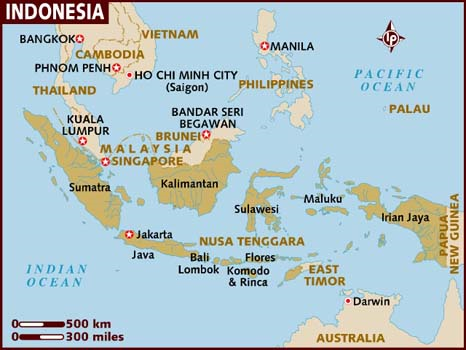
Explain in detail the main producing areas of Indonesian coffee-geographical knowledge
Photo 1: Indonesia is a country of thousands of islands. Coffee is produced on all the major islands, the most famous of which are Sumatra in Sumatra, Sulawisi in Sulawesi and Java in Java. (Bali,Flores,Timor produces coffee) figure 2: administrative map of Indonesian islands Sumatra: Sumatra Coffee Sumatra, formerly known as Jindao and Jinzhou

Brazilian Coffee planting time Base Map Flavor description introduction to Variety treatment in producing areas
Brazilian Coffee planting time Base Map Flavor description Variety treatment of producing areas introduction to the Great Economic crisis in 1929 the world consumption of coffee plummeted, which dealt a heavy blow to the Brazilian coffee plantation economy. Since then, the proportion of Brazilian coffee production in export earnings has plummeted. In the past 30 years, with the development of modern Brazilian industry, especially steel, shipbuilding, automobile and aircraft manufacturing,

Yega Xuefei Coffee production area Chelelektu Coffee planting situation Story Flavor characteristics of the production area
Professional coffee knowledge exchange more coffee bean information Please follow the coffee workshop (Wechat official account cafe_style) Yirgacheffe) there are many washing plants that handle cherries from small coffee farmers nearby, and the coffee is often amazing, like an empty valley orchid in the mountains. Chelelektu is one of them. Xuelitu Water washing Factory is located

General knowledge of boutique coffee beans map of global coffee producing areas
Coffee trees grow in tropical or subtropical agricultural gardens centered around the equator and called coffee belts. Most of the coffee production is between the Tropic of Cancer, 25 degrees north of the tropical or subtropical equator and 30 degrees south of the equator. An area with an annual average temperature of 16-25 degrees Celsius, no Frosts Descent and rainfall of 1600-2000 mm.
Coffee training knowledge: global Coffee producing area Map
Coffee trees grow in tropical or subtropical agricultural gardens centered around the equator and called coffee belts. Most of the coffee production is between the Tropic of Cancer, 25 degrees north of the tropical or subtropical equator and 30 degrees south of the equator. An area with an annual average temperature of 16-25 degrees Celsius, no Frosts Descent and rainfall of 1600-2000 mm.

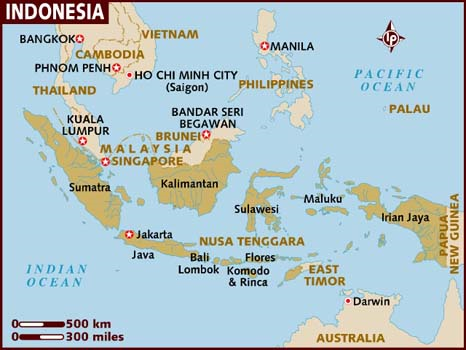
Brief introduction of coffee in Indonesia: main producing areas in Sumatra, Indonesia
Photo 1: Indonesia is a country of thousands of islands. Coffee is produced on all the major islands, the most famous of which are Sumatra in Sumatra, Sulawisi in Sulawesi and Java in Java. (Bali,Flores,Timor coffee per capita) introduction to Indonesian coffee: main producing areas figure 2: administrative division map of Indonesian islands Sumatra: Sumatra Coffee Su

World Coffee Map-- A Collection of Information on Coffee producing areas in Central America and Panama
Exchange of professional baristas Please pay attention to the coffee workshop (Wechat official account cafe_style) Panama coffee flavor and texture is medium and uniform, quite similar to the Blue Mountain temperament. Panamanian coffee is very smooth, full grains, light weight, and perfect acidity balance, its high-quality coffee beans flavor is pure, very characteristic, it is recommended to adopt moderate roasting. Most of the Panamanian coffee belongs to medium and low prices.

A brief introduction to the History and Culture of the Origin and Development of Banqi Magi Fine Coffee beans
Although the flavor of Bancimaji Gesha Estate is different from that of Panamanian Geisha, it is still worth tasting. It is rare in many sun-dried bean regions in Ethiopia, distinguished from other coffee by its varied spices and fruit flavors. This estate is owned by Gashaw Kinfe Desta and is very close to the town of Geisha. Geisha Town is also a well-known variety G

Why Yega Xuefei's coffee beans are of different sizes, small farmers' cooperative sun treatment, Fada map.
For professional baristas, please follow the coffee workshop (Wechat official account cafe_style) YCFCU Yega Xuefei G1 Solar treatment method Datatu YCFCU Yirgacheffe G1 Natural Bankodadatu country: Ethiopia: Bankodadatu, Gedeb altitude: 1750-2300 m treatment: sun grade: G1 varieties: local native species flavor

Introduction to the taste of Costa Rican coffee beans with the best baking degree, time trend map and flavor description.
The best roasting degree of Costa Rican coffee beans, time trend map flavor description taste introduction Costa Rican coffee full particles, ideal acidity, unique strong flavor Costa Rican coffee industry was originally controlled by the Costa Rican Coffee Industry Company (InstitutodelCafdeCostaRica ICAFE) and now by the official Coffee Committee (OficinadelCaf)

The rich taste of Banki Maggie coffee beans flavor aroma characteristics Description
Bench Maji, located in southwest Ethiopia, not far from neighboring Sudan, is easy to find with Google map search. Banki Magi Gesha Estate has a different flavor from Geisha in Panama, but it is still worth tasting. It is rare in Ethiopia's sun-dried bean region. The variety of spices and fruits is very rare. Bannon (

An introduction to the Banchi Magi Coffee growing area in Southwest Ethiopia
Bench Maji, located in southwestern Ethiopia and not far from neighboring Sudan, is easy to find using Google map. Although the flavor of Banchimaji Gesha Estate is different from that of Panamanian Geisha, it is still worth tasting. It is rare in many regions of Ethiopia, because of its varied flavor of spices and fruits.

Introduction to the method of Grinding and Calibration for describing the Flavor of Coffee Flavor in Ethiopia
Introduction to Bench Maji, located in southwestern Ethiopia, not far from neighboring Sudan, it is easy to find with Google map search. Although the flavor of Banchimaji Gesha Estate is different from that of Panamanian Geisha, it is still worth tasting.

Recommended baking degree of Colombian Coffee Flavor Map of Colombian Coffee beans
Professional baristas Please follow the Coffee Workshop (official Wechat account cafe_style) over the past decade, the province of Hulia has been regarded as the best and most indicative coffee producing area in Colombia, where many small farmers specialize in micro-batches of boutique coffee in southern Colombia, each farmer has an average of 3 hectares of land to grow coffee.
Coffee common sense what is a coffee belt (COFFEE WORLD MAP)
Coffee trees grow in tropical or subtropical agricultural gardens centered around the equator and called coffee belts. Most of the coffee production is between the Tropic of Cancer, 25 degrees north of the tropical or subtropical equator and 30 degrees south of the equator. An area with an annual average temperature of 16-25 degrees Celsius, no Frosts Descent and rainfall of 1600-2000 mm. At present, coffee is mainly produced by seven countries.

Introduction to the planting Base Map of Bourbon Rivida Bean location conditions of Hillado Coffee Bean in Brazil
Brazil Hilado Coffee Bean Bourbon Rivida planting Base Map introduces that coffee was introduced into Brazil after the 18th century. In 1727, coffee was introduced into Port Belem, Brazil from Guyana, and has since settled in Brazil. It is mainly distributed in the southeast coastal areas of Brazil, namely, Sao Paulo, Parana, San Esprito and Minas Gerais. From the end of the 18th century to